

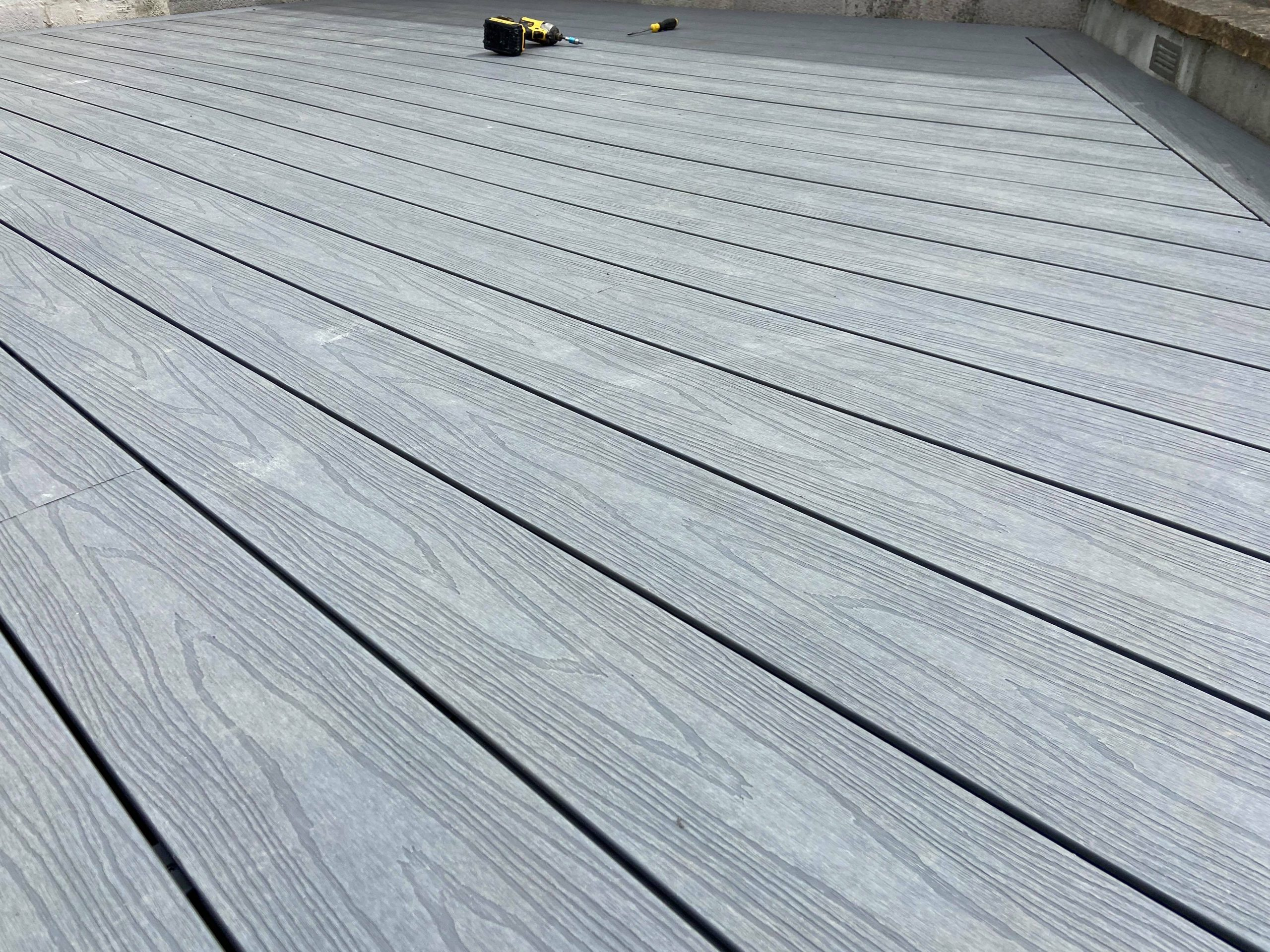
Wooden vs Composite Decking
Choosing between wooden and composite decking demands consideration of several key factors, especially with the British climate in mind. Moisture, UV exposure, and maintenance all play a part in determining which material is most suitable for your home and garden. Based on our teams experience of offering decking in Reading and Berkshire over the past decade, below is a balanced overview of both options. A snappy TL;DR: Composite decking lasts longer and needs less maintenance than wood, but it costs more upfront. Let’s dive in. Softwood & Hardwood Wooden decking remains popular among British consumers. Softwood species such as
How Long Does Decking Last?
The lifespan of decking depends largely on the material, installation quality and upkeep. In Berkshire, where outdoor conditions vary, choosing the right type of decking for longevity is just as important as how it’s maintained. As veterans of the industry, who have offered professional decking installation in Reading and beyond over the course of the past decade, we canvassed our team for their opinions. In summary, wooden decking can last from between 15-30 years. Composite? Up to 40. Below we’ll summarize the decking options and subframes we supply and install for our clients in Berkshire. Visit our dedicated wooden
Softwood vs Hardwood Decking
The choice between softwood and hardwood decking can come down to factors including budget, aesthetics and longevity. Every species of wood has distinct characteristics and benefits. As local decking specialists in Reading, here are our recommendations. In simple terms, softwood is the economical choice. While hardwood is more durable. However, there are exceptions. Read on to learn more or visit our dedicated wooden decking page for a summary of our services. Softwoods Softwood decking, typically made from Pine or Spruce, is commonly used throughout the UK. Treated Pine is a frequent choice for deck builders in the UK due to
